
Care and clinical services
A referral arrives.
The answer is spread
across three systems.
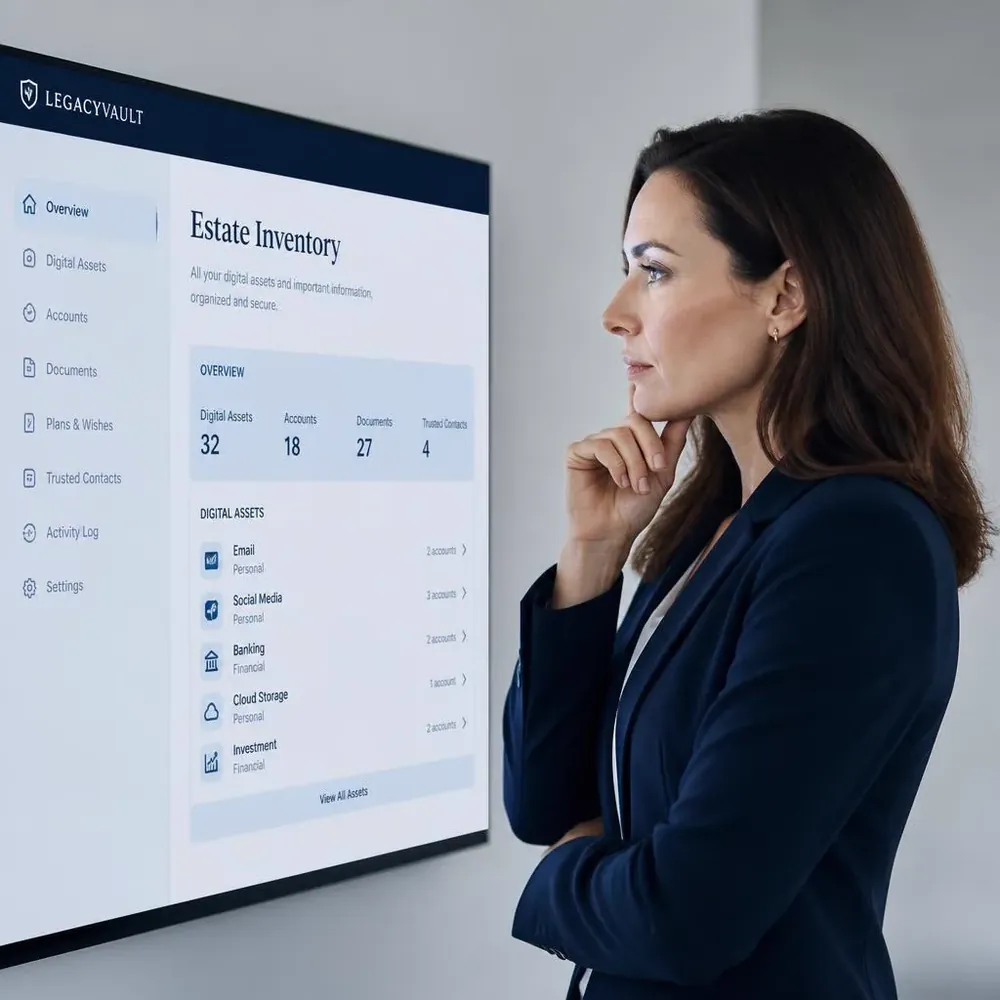
CMS connects referrals, assessment, care planning, safeguarding, incidents, capacity and reporting into one care service environment on Microsoft business applications, so staff spend their time on people rather than on finding information.
CMS coordinates the service. Specialist clinical systems keep their clinical authority.
Sound familiar?
The care is not the hard part. Coordinating it is.
These are the things care and service leads raise in the first ten minutes of a call.
A referral waits on a missing form
The decision cannot be made because the information is still being chased.
The same details, entered three times
Once on the referral, once in the record, once in the spreadsheet.
Staff hunt for the full picture
Plan in one place, risks in another, the last conversation in an inbox.
A concern drifts from the record
Safeguarding and incident follow-up become hard to track across teams.
Nobody can see service pressure
Capacity is understood by asking people, not by looking.
Reporting is rebuilt every month
The work already happened. Management information is assembled afterwards.
What customers say
People who have worked with us.
These customers are describing Microsoft business application projects with our team. None of them is a CMS, clinical or care-quality reference, so please read them as evidence of how we work rather than proof of a care outcome.
80%
of our business comes from existing customers and referrals.
The best I’ve ever experienced in over 20 years of collaboration.
Programme Manager, Hill & Smith Plc
How it works
One journey, from referral to what the service learns.
Seven steps. Each one leaves behind the information the next one needs.
- Refer: Capture the referral and its supporting information the same way each time.
- Assess: Need, risk and suitability reviewed by the right professional.
- Plan: Agree the care, the actions and who is responsible.
- Deliver: Keep information and actions connected to the person.
- Monitor: Incidents, safeguarding, changes and actions stay visible.
- Review: Understand progress, changing need and the next decision.
- Learn: Use what the service records to improve quality and capacity.
If a service can explain a care decision six months later, the model is working.
See it in action
CMS, shown rather than described.
Short walkthroughs of the system in use. Nothing loads from the video until you press play.
Four decisions
What you are being asked to approve, and when.
Delivery carries on at pace only while these stay true. They protect the service rather than generate paperwork.

Is CMS the right answer here?
Confirm the service problem and the care and clinical boundary are understood well enough to justify designing anything.
Confirmed at this gate
- Service problem and intended users
- Care and clinical scope
- What CMS is authoritative for
- Specialist systems that stay
- High-impact decisions
- Regulatory and clinical-safety considerations
- Major integrations and data boundaries
Decision
- Proceed
- Narrow the scope
- Specialist solution
- Transform first


Swipe, drag or use the arrow keys to move between decisions.
Check the fit
A few questions before anyone talks about scope.
Service-level questions only, please. Keep patient, service-user and safeguarding details out of it. The result is a direction, not a decision, and CMS is not always the answer.
Question 1 of 7
0 of 7 answered
Common questions
Questions care leaders ask.
A conversation, not a pitch
Where is the care journey getting harder to coordinate?
Tell us where referrals, assessment, safeguarding, incidents, capacity or reporting are creating friction, at service level rather than case level. We will tell you whether CMS, a specialist system or a different route fits.